OpenAI launches Rosalind Biodefense, expanding trusted access to GPT-Rosalind for vetted developers and U.S. government partners advancing biodefense, public health, and pandemic preparedness through frontier AI.
OpenAI Privacy Filter is an open-weight model for detecting and redacting personally identifiable information (PII) in text with state-of-the-art accuracy
Learn how OpenAI’s Model Spec serves as a public framework for model behavior, balancing safety, user freedom, and accountability as AI systems advance.
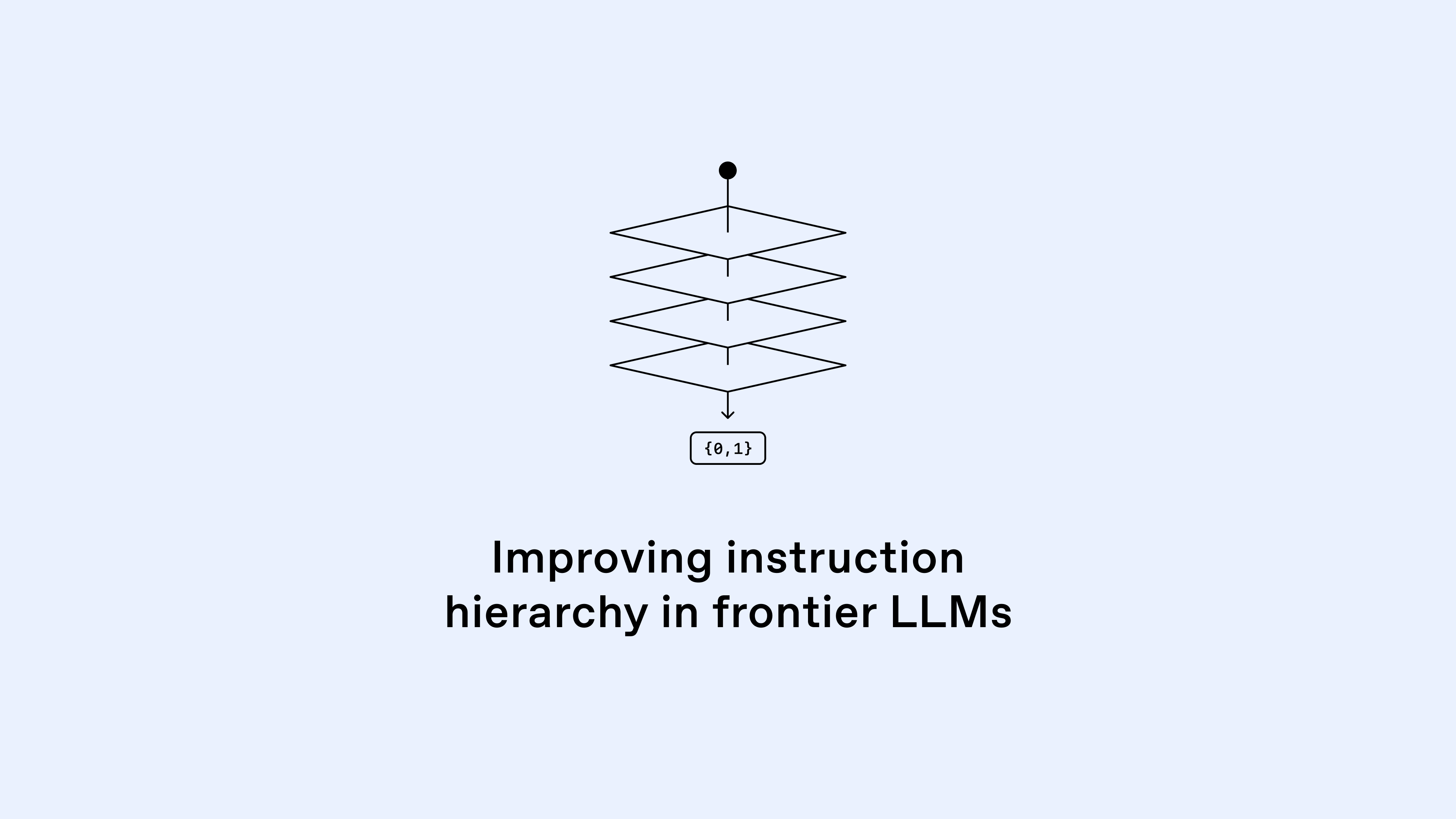
IH-Challenge trains models to prioritize trusted instructions, improving instruction hierarchy, safety steerability, and resistance to prompt injection attacks.
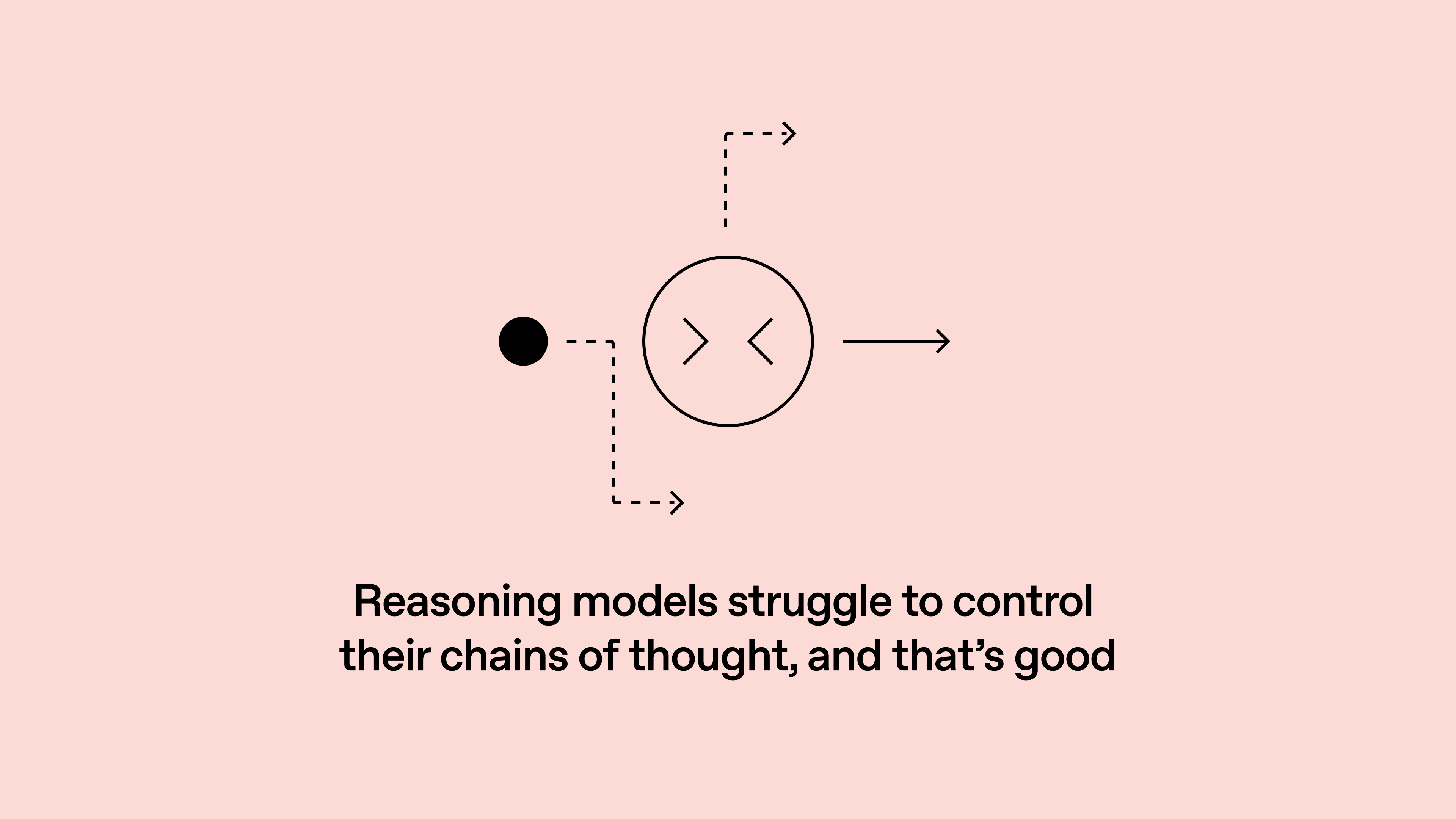
OpenAI introduces CoT-Control and finds reasoning models struggle to control their chains of thought, reinforcing monitorability as an AI safety safeguard.
OpenAI researchers are testing “confessions,” a method that trains models to admit when they make mistakes or act undesirably, helping improve AI honesty, transparency, and trust in model outputs.
OpenAI is exploring mechanistic interpretability to understand how neural networks reason. Our new sparse model approach could make AI systems more transparent and support safer, more reliable behavior.
This system card details GPT-5’s improvements in handling sensitive conversations, including new benchmarks for emotional reliance, mental health, and jailbreak resistance.
Learn how OpenAI evaluates political bias in ChatGPT through new real-world testing methods that improve objectivity and reduce bias.
Apollo Research and OpenAI developed evaluations for hidden misalignment (“scheming”) and found behaviors consistent with scheming in controlled tests across frontier models. The team shared concrete examples and stress tests of an early method to reduce scheming.